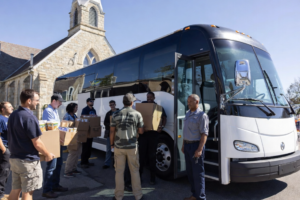
Churches are often thought of as places of worship, teaching, fellowship, and community support. While that is true, many churches also operate with the complexity of a large community organization. They host events, manage facilities, coordinate outreach programs, transport supplies, serve families, support disaster relief, and sometimes move people and equipment across long distances. As ministries grow, the need for safe, dependable transportation often becomes more important than many leaders first realize.
One practical need that can make a major difference is having an employee with CDL Class A training. A Commercial Driver’s License can help a church operate vehicles legally, safely, and responsibly when heavier vehicles, trailers, equipment, or larger transportation needs are involved. For churches that serve beyond Sunday mornings, this kind of training is not just about driving. It is about stewardship, safety, outreach, preparedness, and organizational responsibility.
For churches that want to strengthen their transportation capabilities, professional Classes for CDL Class A can provide the foundation needed for an employee to safely operate larger commercial vehicles and understand the rules that come with that responsibility.
Churches Often Do More Than People See
A church may look simple from the outside, but behind the scenes, there are often many moving parts. Ministries may include food distribution, youth trips, senior adult outings, mission work, building projects, community events, and regional conferences. Some churches also partner with local nonprofits, schools, shelters, or disaster response groups.
As church involvement grows, transportation needs often grow with it. A church may need to move tables, chairs, sound equipment, staging materials, food, clothing donations, construction supplies, or outreach materials. In some cases, the church may own a truck, large trailer, bus, or other vehicle that requires a properly trained driver.
Church leaders who follow broader faith and ministry developments through sources such as Religion News Service understand that churches continue to play a major role in community life. When a church becomes active in serving people beyond the walls of the building, reliable transportation becomes part of how that mission is carried out.
Having an employee with CDL Class A training gives the church more flexibility. Instead of depending on outside drivers, last-minute volunteers, or costly rentals with restrictions, the church can have someone on staff who understands how to operate larger vehicles properly.
Safe Transportation Is a Ministry Responsibility
Safety should be one of the top reasons a church considers CDL training for an employee. Churches often transport people who are especially important to protect, including children, teenagers, senior adults, volunteers, and families. Even when a CDL Class A is not specifically used for passenger transport, the training helps develop a higher level of awareness behind the wheel.
A CDL-trained employee learns about vehicle inspections, weight limits, braking distance, turning space, road awareness, backing procedures, coupling and uncoupling trailers, and handling larger vehicles in traffic. This knowledge matters when a church is responsible for moving equipment or supplies near pedestrians, parking lots, neighborhoods, schools, or event spaces.
The Federal Motor Carrier Safety Administration provides national oversight related to commercial motor vehicle safety, and churches that operate larger vehicles need to take transportation responsibilities seriously. Even when a church is a nonprofit or ministry organization, safety expectations still matter.
A trained driver can help prevent avoidable accidents, reduce risk, and give church leadership more confidence that transportation is being handled responsibly. This protects the church, the employee, the passengers, the community, and the reputation of the ministry.
A CDL-Trained Employee Can Support Outreach and Missions
Many churches are deeply involved in outreach. Food pantries, clothing drives, shelter support, disaster relief, construction missions, and community service days often require transportation. A pickup truck may be enough for smaller projects, but larger outreach efforts can require trailers, box trucks, or commercial vehicle combinations.
An employee with CDL Class A training can help a church move more supplies in fewer trips. That can make outreach more efficient and more effective. For example, a church collecting donations after a storm may need to transport pallets of bottled water, food, blankets, cleaning supplies, generators, or building materials. A CDL-trained employee can help move those items with greater safety and organization.
Churches that follow ministry updates from sources such as Christianity Today often see examples of congregations responding to needs locally and globally. Transportation is one of the practical tools that allows churches to turn compassion into action.
When the church has someone trained and ready, it does not have to delay service because it cannot find a qualified driver. That can be especially important during urgent situations when timing matters.
Church Events Often Require Equipment and Logistics
Modern church events can be highly involved. Outdoor services, community festivals, youth camps, worship nights, conferences, retreats, and local outreach events often require significant equipment. Churches may need to move portable stages, lighting, audio systems, tents, chairs, signage, tables, generators, sports equipment, decorations, and food service supplies.
Without a trained driver, the church may have to pay outside vendors for transportation or rely on volunteers who may not be qualified to handle heavier vehicles and trailers. While volunteers are a blessing to any church, not every volunteer should be placed in a role that requires commercial driving knowledge.
A CDL Class A trained employee can help the church plan these events with better control over logistics. This can reduce costs, improve scheduling, and minimize confusion. It can also make events feel more organized and professional.
The broader history of the Christian church shows that churches have long served as gathering places for worship, teaching, charity, and community support. In today’s setting, that mission often includes practical operations that require planning, transportation, and trained personnel.
Training Helps Protect the Church from Liability
Churches carry a serious responsibility when they place someone behind the wheel of a larger vehicle. If an accident happens, questions may be asked about training, licensing, vehicle maintenance, policies, supervision, and whether the driver was qualified for the vehicle being operated.
A CDL-trained employee can help reduce liability concerns because the church can show that it made a responsible effort to place trained personnel in transportation roles. This does not remove every risk, but it does demonstrate better judgment and preparation.
Church boards, pastors, administrators, and ministry directors should think carefully about transportation policies. Who is allowed to drive church vehicles? What training is required? Are vehicles inspected? Are trailers loaded correctly? Are routes planned safely? Are insurance requirements being followed?
An employee with CDL Class A training can also become a resource for improving internal transportation procedures. That person may be able to help the church create checklists, review vehicle readiness, identify safety concerns, and train other staff members on basic transportation awareness.
News and ministry organizations such as Baptist Press regularly highlight the work of churches, ministries, and faith-based organizations. For churches that want to maintain credibility in their community, responsible operations matter. Transportation safety is one part of that credibility.
A CDL Class A Driver Can Help During Disaster Relief
Churches are often among the first groups to respond when communities face storms, floods, fires, and other emergencies. In many areas, churches become collection points, shelters, staging areas, or volunteer hubs. Disaster relief work often requires moving large amounts of supplies quickly and safely.
An employee with CDL Class A training can be valuable in these situations. The church may need to transport trailers filled with food, water, tools, hygiene items, clothing, or building supplies. A trained driver can help the church respond more effectively without having to wait for outside transportation.
Faith-based service is frequently covered by outlets such as Vatican News, which reports on church activity and humanitarian concerns around the world. While every congregation is different, many churches share a commitment to helping people in times of need.
Preparedness is a form of stewardship. A church that invests in transportation training before a crisis may be better equipped to serve when a crisis arrives.
Church Growth Can Create New Transportation Needs
A small church may not need a CDL-trained employee right away. However, as a church grows, its transportation needs can change. A growing church may add additional campuses, launch new ministries, expand outreach, host larger events, or begin serving nearby towns and cities.
With growth comes complexity. More people, more supplies, more equipment, and more events can make transportation more demanding. Instead of waiting until there is an urgent need, church leaders can prepare ahead of time by identifying employees who may be good candidates for CDL training.
This can be especially helpful for churches with maintenance staff, facilities managers, outreach coordinators, operations directors, or ministry employees who already handle logistics. CDL training can expand their usefulness and help the church operate more efficiently.
The Church News site regularly covers faith, church leadership, service, and global ministry activity. As churches continue to serve in many different settings, operational readiness can support the larger mission of ministry.
CDL Training Supports Better Stewardship of Church Resources
Churches are called to use resources wisely. Transportation can become expensive when a church must repeatedly rent commercial vehicles, hire outside drivers, or pay delivery fees. While CDL training does require an investment, it may save money over time for churches that frequently move equipment, trailers, or supplies.
A trained employee can also help protect physical assets. Larger vehicles and trailers can be damaged by improper handling, poor turning, unsafe backing, incorrect loading, or failure to inspect equipment. Repairs can be costly, and damaged equipment can disrupt ministry plans.
When a church has someone who understands commercial driving principles, it can reduce wear and tear, improve planning, and make better use of vehicles and trailers the church already owns. This is practical stewardship.
It also reflects well on the church. A congregation that handles transportation carefully shows members, donors, and community partners that it takes responsibility seriously. That kind of trust is important when people give money, volunteer time, or partner with the church on community projects.
The Right Employee Can Become a Ministry Asset
Not every church employee needs CDL Class A training, but the right employee can become a valuable asset. A good candidate may already be dependable, safety-minded, organized, calm under pressure, and familiar with church operations. CDL training can add a practical skill to someone who already understands the church’s mission and culture.
This matters because church driving is not only about moving a vehicle. It is about representing the ministry. A church employee may be driving through neighborhoods, arriving at partner organizations, delivering supplies, helping at events, or interacting with the public. Professionalism matters.
An employee who is trained, prepared, and trusted can help the church serve with greater confidence. That person can support pastors, ministry leaders, volunteers, and community partners by making transportation less stressful and more reliable.
Conclusion
A church may need an employee with CDL Class A training because ministry often requires more than preaching, teaching, and Sunday services. Churches serve people in practical ways, and practical service often depends on safe, reliable transportation. From outreach and missions to events, disaster relief, equipment hauling, and long-term growth, a trained commercial driver can help a church operate with greater confidence and responsibility.
CDL Class A training can support safety, reduce risk, improve logistics, protect resources, and expand the church’s ability to serve the community. For churches that own or plan to use larger vehicles and trailers, having a trained employee is not an unnecessary extra. It can be a wise investment in ministry readiness.
When a church prepares its people well, it strengthens its ability to serve others well. A CDL-trained employee can become part of that preparation, helping the church move forward safely, responsibly, and with a greater capacity to meet real needs.